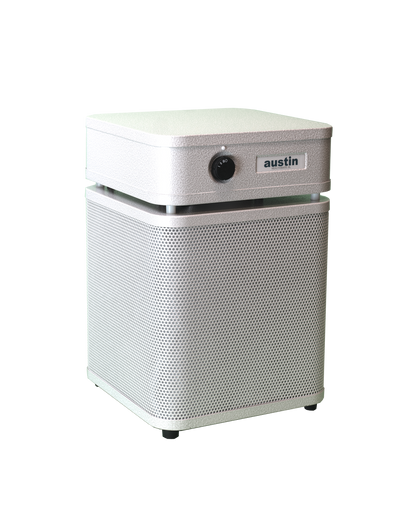
Are air purifiers worth it? The honest answer is the one the EPA gives: possibly, and it depends on what is in your air and what you buy. A good purifier reliably removes particles such as dust, pollen, pet dander and smoke, and one with a real carbon bed removes smells and many chemicals. What it will not do is fix the source of a problem, and cheap machines with small filters or ionizers often disappoint. Here is how to tell whether one is worth it for you.
What the EPA says
The EPA's guide to air cleaners in the home answers the common questions directly:
- Can they improve indoor air? Yes. Most portable air cleaners and furnace filters can filter particles, and some can filter both particles and gases. The longer one runs, the more air it filters.
- Can they reduce allergy or asthma symptoms? Possibly. Multiple studies with portable HEPA air cleaners found improvements in one or more symptoms, though not always major ones and not in every symptom.
- Can they affect health more broadly? Possibly. Several studies found small improvements in cardiovascular and respiratory health, often too small for the person to notice.
- Can they solve mold? No. They may remove some particles from mold and help with odors, but the cause is moisture.
- What comes first? Reducing the source and ventilating with clean outdoor air. Filtration supplements those; it does not replace them.
When a purifier is worth it
| Situation | Worth it? | What to look for |
|---|---|---|
| Allergies to pollen, dust or pet dander | Often | True HEPA, sized for the bedroom |
| Wildfire smoke days | Yes | True HEPA plus carbon, sized for the room you shelter in |
| Pets and pet smell | Often | True HEPA plus a real carbon bed |
| New furniture, paint, chemical smells | Often | A heavy carbon bed, treated carbon for formaldehyde |
| Musty basement with a damp problem | Not on its own | Fix the moisture first; a dehumidifier comes before a purifier |
| No allergies, no pets, no smells, good ventilation | Probably not | Save the money |
Why some purifiers are not worth it
- Too small for the room. A machine sized for a bathroom will not keep up with a living room. The EPA's rule of thumb for particles is a clean air delivery rate of about two-thirds of the room's area. See what size air purifier you need.
- A thin carbon pad. The EPA says carbon filters work when there is a large amount of material; a dusting of carbon fills up quickly. See how much carbon you need.
- Ionizers and ozone. The EPA warns against machines that produce ozone and notes some ionizers and plasma units can emit it. See ionizer vs HEPA.
- Filter costs that add up. Many purifiers want a new filter every six to twelve months. Add five years of filters to the price before you compare. See five-year filter cost.
- Left off. A purifier only cleans the air that passes through it. One that is too loud to run is not working.
What we sell, and why
We carry two makers, Austin Air and Airpura, because both build what the EPA's advice points to: True HEPA or a sealed particle filter, a carbon bed measured in pounds, steel cabinets, and no ionizers or ozone. They are not the cheapest purifiers. Whether one is worth it for you depends on the table above, and every machine we sell comes with free shipping and a 30-day home trial so you can find out in your own home.
Common questions
Do air purifiers actually work?
For particles, yes: a True HEPA filter captures 99.97% of particles at 0.3 microns as air passes through it. How much that changes a room depends on the machine's size and how long it runs.
Is a furnace filter enough?
Sometimes. The EPA recommends a MERV 13 filter if your system can take it, but a furnace filter only works while the system runs. See MERV 13 vs an air purifier.
How long until I notice a difference?
It depends on the room and the machine. One sized for two air changes an hour passes the room's air through its filters twice every hour. Allergy symptoms vary by person, which is one reason the EPA says "possibly".
Ready to compare machines? Start with our best sellers, or the allergy and asthma and smoke collections. The Austin Air HealthMate is the simplest place to start for most homes.
Not sure it is worth it for your home? Email support@freshhomeair.com with the room and the problem, and Nolan will give you a straight answer, including "you do not need one".