If you cook on gas, the most important step is not an air purifier. It is venting: a range hood that exhausts outdoors, switched on every time you cook. The EPA lists gas stoves as a main indoor source of nitrogen dioxide and says venting combustion sources outdoors is the most effective way to cut exposure. A good air purifier is the second step. It catches the fine particles cooking puts in the air and, with a real carbon bed, the cooking smells. Here is what each one does and what to buy.
What a gas stove puts in the air
| Pollutant | Where it comes from | What deals with it |
|---|---|---|
| Nitrogen dioxide (NO2) | Burning gas | Venting outdoors first. The EPA notes there is no widely used rating for how well portable air cleaners remove gases. |
| Fine particles | Cooking itself, especially frying and searing | A range hood while cooking, then True HEPA |
| Cooking odors | Food, oil, smoke | Range hood, then activated carbon |
| Carbon monoxide | Burning gas, especially from a poorly adjusted burner | Proper installation and maintenance, and a carbon monoxide alarm. An air purifier is not protection against carbon monoxide. |
What the EPA says
From the EPA's page on nitrogen dioxide and indoor air quality:
- The main indoor sources of nitrogen dioxide are combustion, including unvented appliances such as gas stoves.
- In homes with gas stoves, indoor levels often exceed outdoor levels.
- Low-level exposure may increase bronchial reactivity in some people with asthma and raise the risk of respiratory infections, especially in young children.
- Venting the sources outdoors and keeping appliances correctly installed and maintained are the most effective steps. The EPA specifically suggests an exhaust fan vented outdoors over gas stoves, and keeping gas appliances properly adjusted.
Step one: ventilate
- Use a range hood that exhausts outdoors, not one that recirculates through a filter back into the kitchen.
- Turn it on before you start cooking and leave it running a few minutes after.
- No outdoor hood? Open a window while cooking and have the burners checked.
Step two: an air purifier for particles and smells
Cooking, gas or electric, puts fine particles into the air, and those drift well beyond the kitchen. True HEPA is what captures them. For lingering cooking smells, you need a carbon bed measured in pounds, not a thin carbon pad. See HEPA vs activated carbon and how much carbon an air purifier needs.
| Machine | Particles | Carbon | Coverage at 2 air changes an hour | Price |
|---|---|---|---|---|
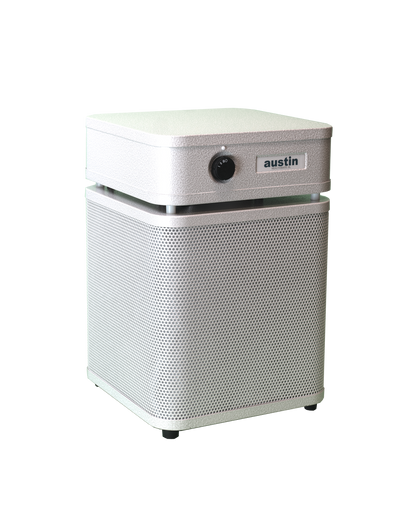
| Austin Air HealthMate | True HEPA | 15 lbs | 750 sq ft | $844.99 |
| Austin Air HealthMate Plus | True HEPA | 15 lbs, part treated for chemical gases | 750 sq ft | $894.99 |
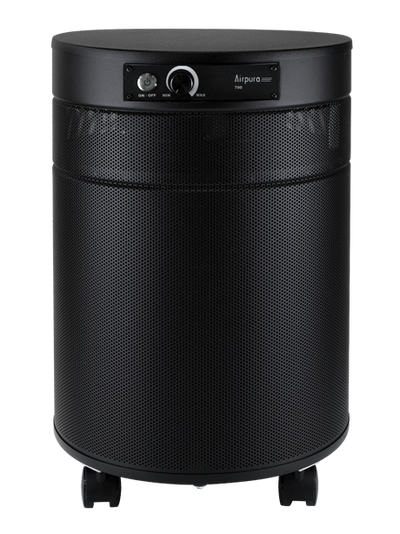
| Airpura R600 | True HEPA | 18 lbs | 2,000 sq ft | $849.98 |
Specifications are each maker's. Prices are ours on October 21, 2026. For an open kitchen and living area, size for the whole space; see what size air purifier you need.
Where to put it
Near the kitchen but not right beside the stove, where grease would load the prefilter quickly. In an open plan, the living area next to the kitchen works well. If someone in the house has asthma, a second machine in their bedroom is often the better use of the money.
Common questions
Does an air purifier remove nitrogen dioxide?
Not reliably enough to replace venting. The EPA notes there are no widely used performance ratings for how well portable air cleaners remove gases, and its advice for nitrogen dioxide is to vent the source outdoors.
Should I switch to an induction or electric stove?
That removes the combustion gases, though cooking still makes particles and smells. It is a bigger decision than a purifier; if you are not ready, a vented hood plus a purifier covers most of the gap.
Will a purifier help with smoke from burnt food?
Yes. HEPA for the smoke particles, carbon for the smell. Run it on high for a while after.
Not sure what your kitchen needs? Email support@freshhomeair.com and Nolan will answer it himself. Every purifier we sell ships free with a 30-day home trial.